
Upload a sketch or an untextured CAD model of your piece and get a photoreal render of it: real wood, upholstery, metal and light, in about 30 seconds. Your proportions stay as drawn.
Drop a furniture sketch or CAD screenshot here
JPG, PNG or WebP • large photos are resized automatically
Each pair is the uploaded image and the tool’s unedited first result with the prompt this page sends.
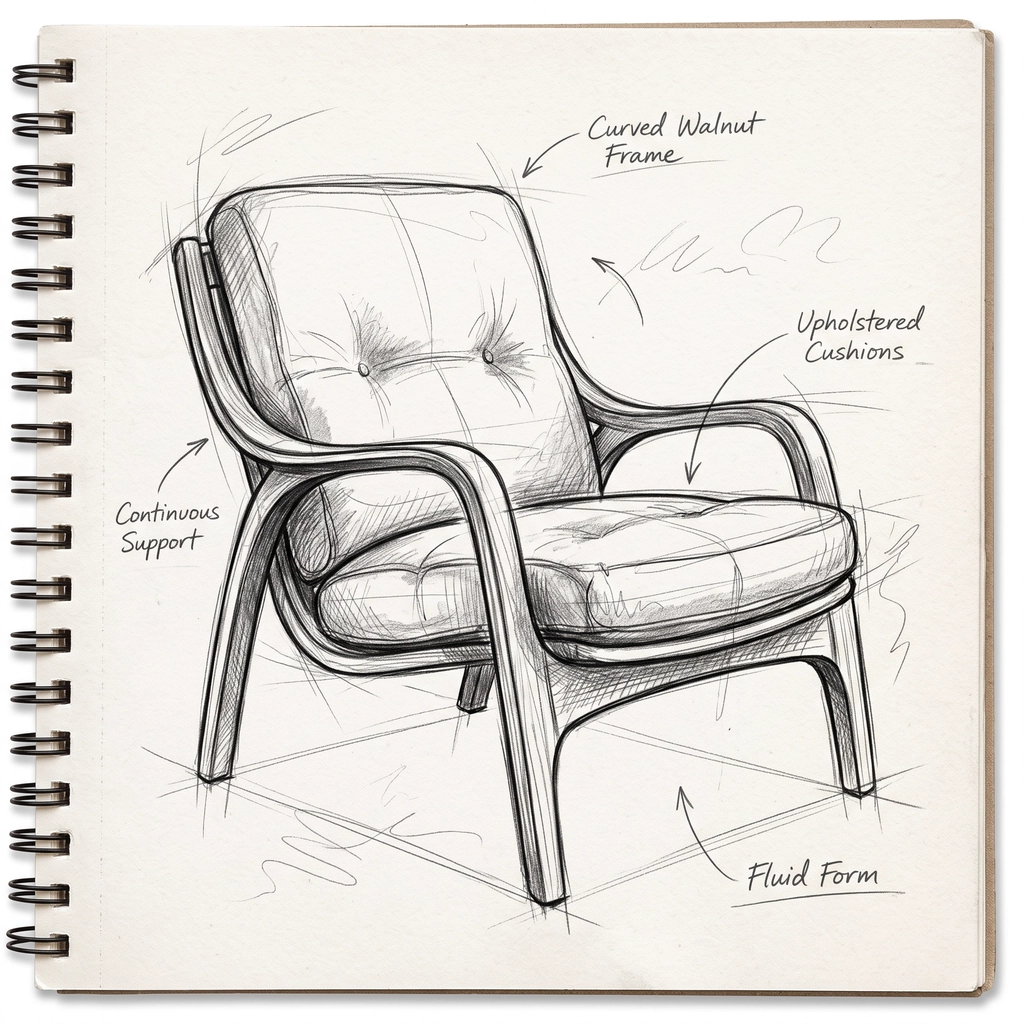 Before
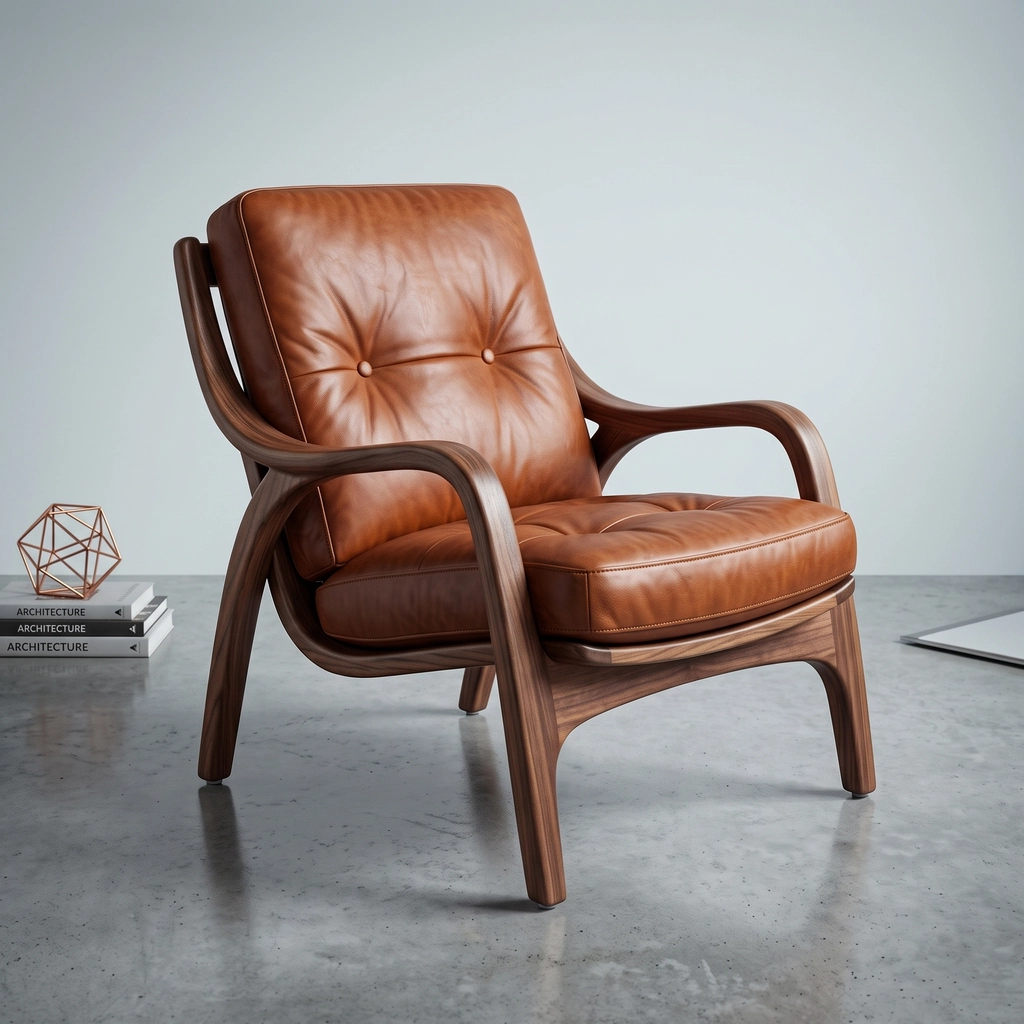 After
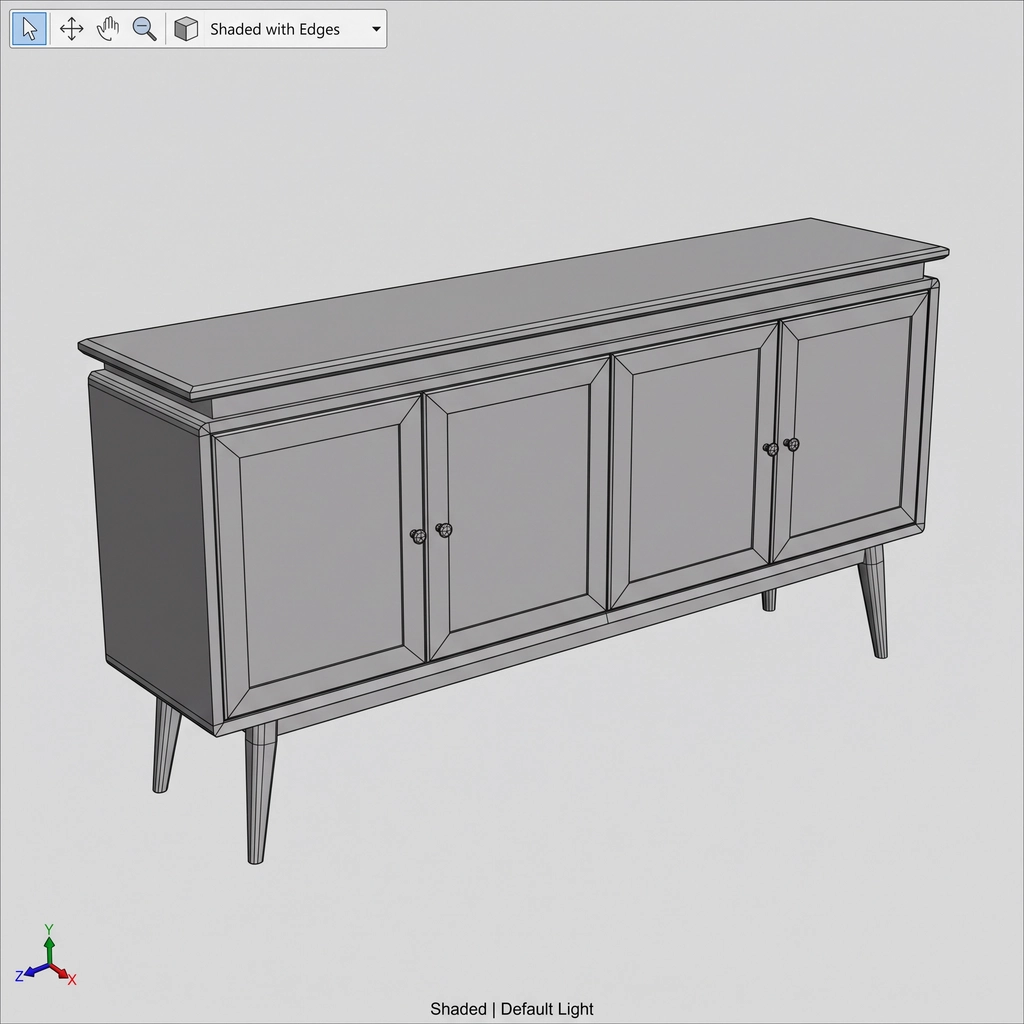 Before
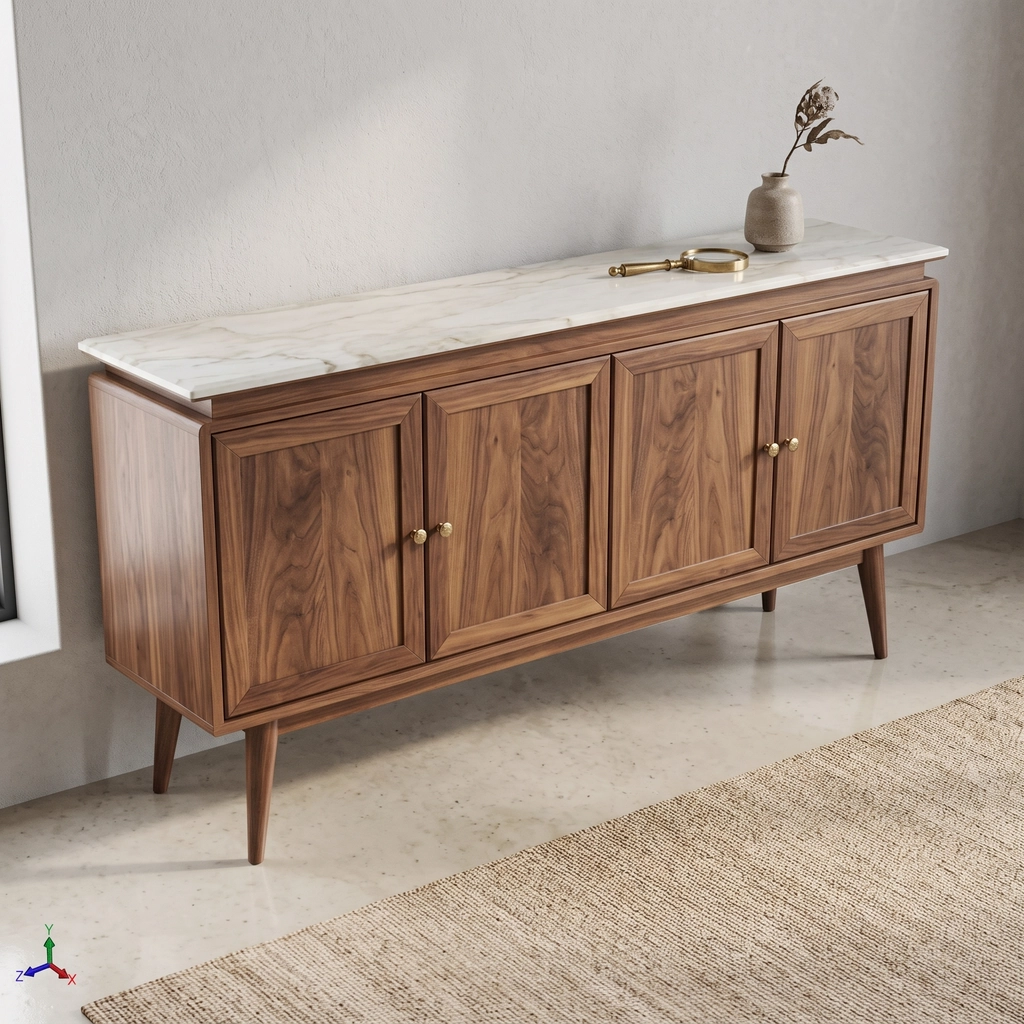 After
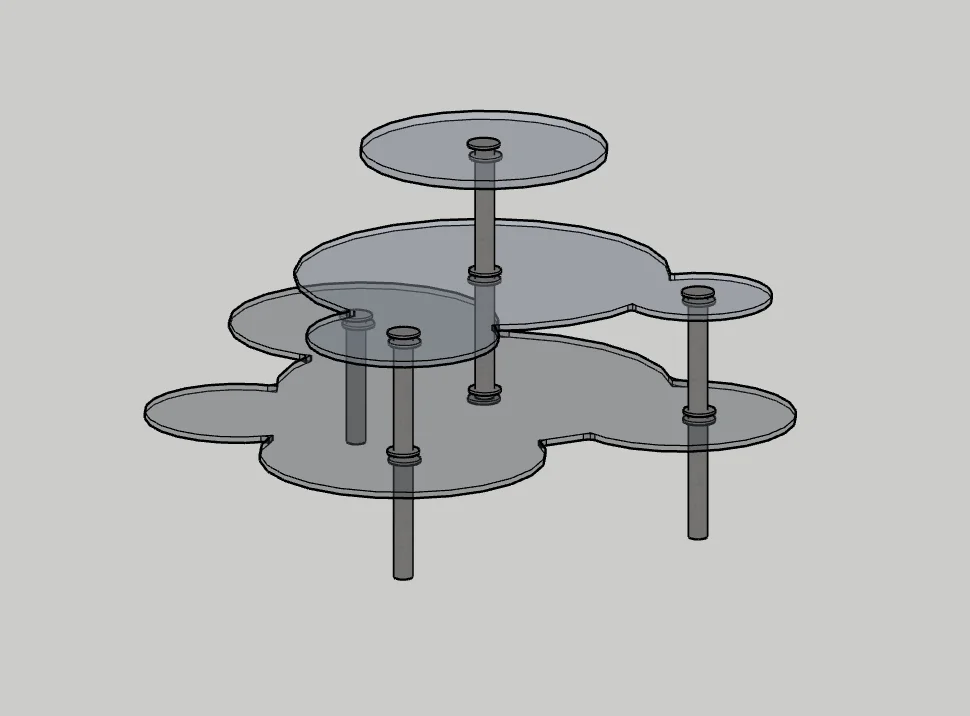 Before
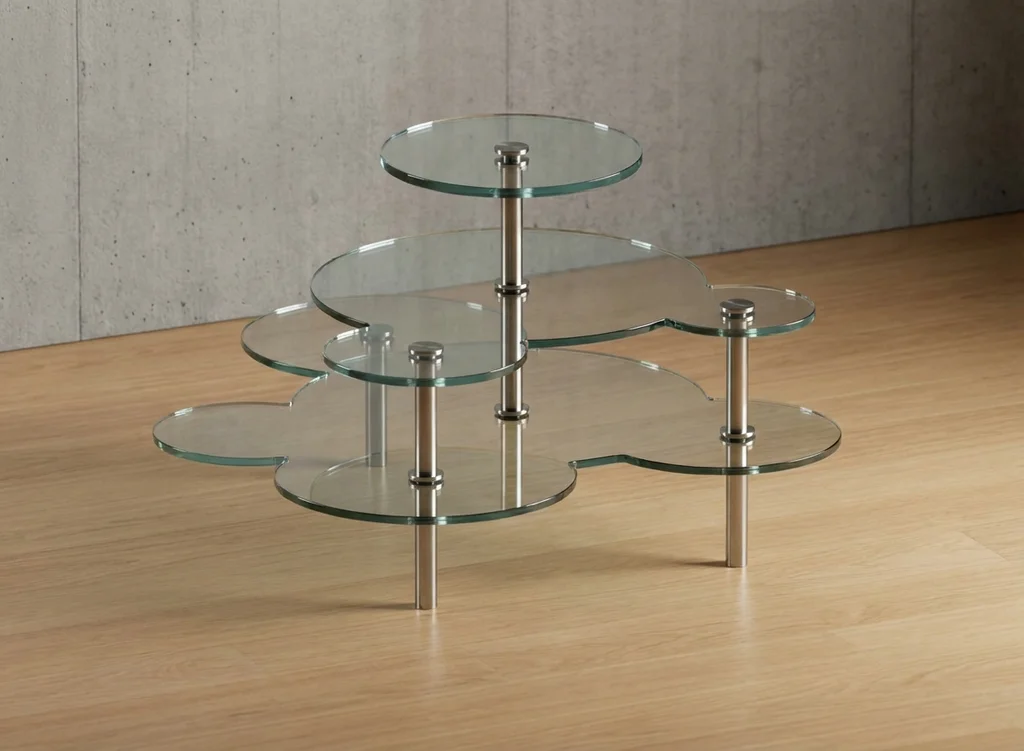 After
The chair sketch and the sideboard model were made as sample inputs for this page; the glass table is a paying P20V user’s upload. All renders are unretouched first results.
Most AI furniture generators invent a new piece from a text prompt. That is fine for mood boards, but useless when you have already designed the piece and need to show it: the client wants to see their table, not a random one. This tool starts from your drawing. It reads the outline, the joints, the legs and the doors in your sketch or model and renders exactly that piece in real materials.
That covers the slow part of furniture rendering. Texturing and lighting a model in KeyShot or V-Ray takes an evening; a pencil sketch has no materials at all. Here the first render comes back in about 30 seconds, and every change after that ("walnut instead of oak", "on a terrazzo floor", "front view") takes another 30 seconds.
What people use the renders for:
After the first render, open the image in the P20V editor and type what to change. Typical instructions: "make the seat 10 cm lower", "brass sabots on the legs", "show the drawer open", "put it in a bright loft with a concrete floor", "plain white background for a product page". The editor changes what you ask for and keeps the rest.
For a whole room rather than one piece, upload a photo of the room and describe the furniture you want in it. For lighting, watches, jewellery or shoes, use the matching tools below; they send prompts set up for those products.
Drop a JPG, PNG or WebP of your furniture sketch, CAD screenshot or prototype photo into the box above.
In about 30 seconds the tool returns the same piece as a photoreal product image with materials and light.
Type material, colour or setting changes in plain words, then download the image for your quote, catalogue or post.
Basic is $9.99 per month for 25 images; Starter is $29/month for 50 images ($14.50 for the first month), Pro $79/month for 200 images, Studio $199/month, billed in USD. EU buyers pay VAT on top; no tax is added outside the EU. Every plan includes commercial use, so you can show the designs to customers and print from them. Cancel anytime. See plans
It turns a picture of a furniture idea into a photoreal render of the finished piece. Upload a pencil sketch, a marker drawing, a screenshot of an untextured 3D model from SketchUp, Fusion 360, Rhino or SolidWorks, or a photo of a prototype. In about 30 seconds you get the same piece with real materials, light and a setting, ready to show a client or post.
It keeps your design. The proportions, the legs, the doors and the silhouette from your sketch or model stay as drawn; the AI adds the materials, shading, background and photography. If you want variations instead, type them in the editor after the first result: "same chair in oak with green velvet", "make the legs thinner", "show it in a Scandinavian living room".
Yes. The first render picks materials that suit the piece. Then type the exact finish in plain words: "white oak, oiled", "black lacquer with brass feet", "boucle upholstery in cream", "Carrara marble top". You can also say what must not change, for example "keep the frame exactly as in the sketch".
No. The output is an image (a photoreal render). It is for deciding on a design, selling a commission, a product page mock-up or a pitch deck. The construction drawings and the 3D model stay in your CAD program.
No. P20V is a paid tool: Basic is $9.99 per month for 25 images; Starter is $29 per month for 50 images and its first month is $14.50. Every plan includes commercial use, so you can put the renders in quotes, catalogues and ads. Cancel anytime.
One piece per image, drawn or modelled in a three-quarter view so two sides are visible, on a plain background. Clean lines help, but quick construction lines are fine, as the chair example above shows. Labels on the sketch are usually removed from the render.
Furniture makers and joiners who quote custom pieces, furniture and interior designers who present concepts, small brands that need product images before the first batch is built, and students preparing a portfolio. Interior designers who want a whole room rather than one piece can use the same editor with a room photo.
JPG, PNG or WebP up to 5 MB. A phone photo of a paper sketch is fine; a screenshot from your CAD viewport works too.
The same editor, set up for each kind of product. All tools